Where You Really Need GFCI and AFCI Protection in Your Moscow, ID Home (and What Codes Require)
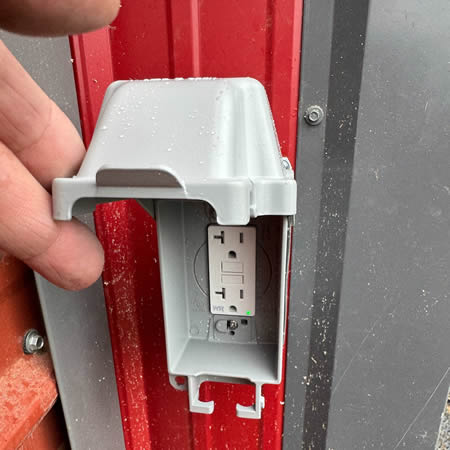
If you want everyday safety without surprises, the place to start is with gfci and afci protection in Moscow, ID. These two layers work together to help prevent shocks and reduce fire risk in the rooms you use most. In this guide, we’ll cover the spots that typically need protection and how a licensed electrician from Cheetah Electric plans upgrades that fit your home. When you’re ready, explore our local service for gfci and afci protection upgrades to bring your wiring up to modern safety expectations.
GFCI and AFCI Protection in Moscow, ID: What It Means
GFCI stands for ground fault circuit interrupter. It quickly cuts power when electricity starts leaking to ground, which helps protect people from shock around water. AFCI stands for arc fault circuit interrupter. It looks for dangerous arcing that can spark inside walls and start fires. Used together, they add a safety net for the places where moisture or hidden wiring faults are most likely to cause trouble.
Think of GFCI as a lifeguard near sinks and outdoors, and AFCI as a smoke detector for the wiring you cannot see. Your home may use GFCI at the outlet, AFCI at the breaker, or dual‑function breakers that provide both protections on a single circuit. Your exact setup will depend on your panel type, the way your circuits are wired, and the age of the home.
Where GFCI Belongs in a Typical Home
Every house is different, but these areas are usually the first places we check for GFCI protection. Requirements can vary with the edition of the electrical code your project follows and local amendments, so a quick review by a licensed electrician is always smart.
- Kitchens: countertop receptacles serving small appliances and anywhere within reach of water
- Bathrooms: all receptacles
- Laundry areas: receptacles near the washer or utility sink
- Garages and shops: receptacles in bays, work benches, and utility corners
- Exterior: all outdoor outlets, including patios, porches, and holiday‑lighting points
- Basements and crawl spaces: especially unfinished spaces that can be damp
- Utility areas: near water heaters, sump pumps, or wet bar sinks when applicable
Water and electricity do not mix—protection here is non‑negotiable. That’s why you’ll see weather‑resistant devices and in‑use covers outside around Moscow where snow and spring rain are common.
Where AFCI Belongs to Reduce Fire Risk
AFCI protection helps most on living‑area circuits where cords, plugs, and flexible lamp wiring get daily use. We often recommend:
- Bedrooms and nurseries
- Living rooms, family rooms, and dens
- Home offices and flex rooms
- Finished basements and bonus rooms
- Hallways and general‑purpose lighting circuits
Modern AFCI devices are designed to tell the difference between normal arcing, like a light switch clicking, and dangerous arcing that can overheat a connection. If you have had nuisance tripping in the past, newer devices and correct wiring terminations usually solve it.
Common Spots Homeowners Miss
Even careful upgrades can overlook a few places. Here are frequent misses we find around Moscow neighborhoods like Fort Russell and Indian Hills, as well as student rentals near the University of Idaho:
- Kitchen islands and peninsulas that were added later without GFCI
- Guest bathrooms or basement half‑baths that were never updated
- Exterior outlets on older porches without in‑use covers
- Garage chest freezer outlets that share a circuit with tools
- Laundry outlets moved during a remodel and left unprotected
Never ignore warm or buzzing outlets. That can point to a loose connection that AFCI protection is meant to detect, and it deserves fast attention from a pro.
Renovations, Resale, and Code Basics in Plain English
When you remodel, add a room, finish a basement, or prepare to list a home, expect today’s code to influence what needs protection. The specifics can vary based on project scope and timing, so your electrician will explain what applies to your home and your permit. The goal is simple: put GFCI where water lives, put AFCI where people live, and use dual‑function solutions where it makes sense. If you want a broader safety snapshot first, a whole‑home check like our electrical safety evaluation can map out priorities before any renovations begin.
How Pros Upgrade Without Tearing Up Your Home
Nobody wants holes in finished walls. The good news is most upgrades are straightforward:
- At the panel: swap standard breakers for AFCI or dual‑function models if your panel supports them
- At the first outlet on a run: install a GFCI receptacle to protect all downstream outlets
- At wet locations: replace older devices with weather‑resistant GFCIs and add in‑use covers outside
Your electrician will test trip times and verify polarity on every protected circuit. If your panel is at capacity or uses a brand with limited breaker options, we can propose clean alternatives or a future‑ready panel upgrade when the timing is right.
Local Factors Around Moscow, ID to Think About
Moscow’s four‑season climate means plenty of moisture outside and space‑heater use inside. Exterior outlets need weather‑resistant GFCIs that hold up through freeze‑thaw cycles. Indoors, winter loads can expose weak points on older living‑area circuits. In historic homes near downtown, mixed‑age wiring is common. In rentals near campus, heavy use and portable appliances add wear. A quick assessment helps you decide whether to start at the outlets, the panel, or both.
If lightning or utility blips have damaged electronics in the past, pair your protection plan with whole‑home surge defense. It takes the edge off Palouse storm spikes and protects sensitive gear. Learn how it works here: whole home surge protection.
How To Tell If You May Need An Update
These signs do not confirm a code issue, but they are strong hints that you are missing either GFCI or AFCI protection, or that devices are outdated:
- No “test” and “reset” buttons on outlets near sinks, laundry, garage, or outside
- Frequent breaker trips when plugging in heaters or vacuums
- Mixed two‑prong and three‑prong outlets in the same room
- Warm, discolored, or buzzing outlets and switches
- Add‑on rooms or remodeled kitchens that never had protection reviewed
Want a deeper dive on the five must‑have layers of protection? This overview of the electrical protection your home needs is a helpful primer before you plan upgrades.
Your Next Step: Simple, Code‑Smart Upgrades
You do not need to memorize rule books. Schedule a quick visit, let a licensed electrician trace the circuits that serve kitchens, baths, laundry, bedrooms, and exterior outlets, and get clear options in writing. When in doubt, ask a licensed electrician to evaluate your panel. If dual‑function breakers suit your layout, we will tell you. If a first‑outlet GFCI is smarter for a certain run, we will map it out. If you prefer to phase work over time, that is fine too.
For most homeowners, the fastest win is to add protection where water is present and then finish living‑area circuits. That approach gives you meaningful risk reduction right away. You can also bundle upgrades with other projects, like an electrical safety inspection before listing or after buying.
Ready To Make Your Home Safer?
Protect the people and the place you love. Book your visit with Cheetah Electric and get a clear plan for protection that fits your panel, your wiring, and how you live. Call us at 208-883-1099 or schedule your gfci and afci protection upgrades today. If you want to learn more about our team first, start at our home base and explore services for gfci and afci protection in Moscow, ID.

GET THE Cheetah Electric EXPERIENCE TODAY! CONTACT YOUR ELECTRICIANS IN MOSCOW & SURROUNDING AREAS