Pullman WA Commercial EV Charger Installation: Top Mistakes Retail & Office Landlords Make
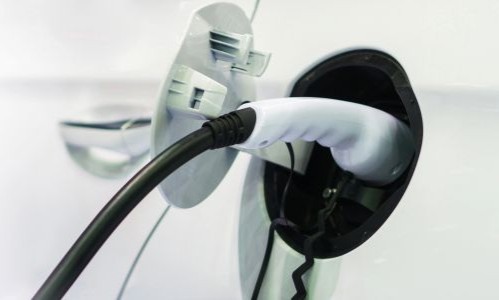
Adding EV charging near the WSU campus sounds simple until the first site walk. Tight electrical rooms, winter weather, and shared tenant meters can turn a quick plan into months of delays. This guide gives property managers and landlords a first-hand look at what really causes headaches and how to avoid them, starting with a link to the right partner for ev charger installation that fits your building’s actual capacity.
Whether your site sits along Bishop Boulevard or in Downtown Pullman, the winning strategy is to plan for winter, calculate true loads before you buy, and phase the project so you do not trigger a surprise utility transformer upgrade.
Why Load Planning Comes First In Pullman, WA
When temperatures drop and HVAC systems run longer, your building’s electrical demand spikes. That winter peak matters more than the sunny day in June when the lot is half empty. The first step is simple but often skipped: **start with a load study, not with chargers.** Your electrician should evaluate panel space, feeder sizes, existing demand, and likely peak times based on retail foot traffic and class schedules.
Near WSU, many retail bays were built with limited spare capacity. Stacking chargers on top of existing loads without a plan can push a service over practical limits. Smart sequencing and load sharing can help you add ports without oversizing gear you do not need yet.
Start With A Whole‑Building Load Study
A good study looks at the main service, distribution panels, and any large intermittent loads such as HVAC, kitchen equipment, or elevators. It also considers operating patterns. For example, office garages may be busiest 8 a.m. to 5 p.m., while Bishop Boulevard retail may peak evenings and game weekends. Your goal is to pinpoint times when chargers are most likely to overlap with other heavy loads.
Ask your electrician to document recommended maximum charging power per port and per group. That gives you a ceiling for safe operation today and a roadmap for future expansion when more capacity becomes available.
Smart Ways To Avoid Immediate Transformer Upgrades
Utility transformer upgrades can be slow and expensive. Before you head that direction, explore strategies that stretch your existing capacity:
- Dynamic load management that caps the total power a group of chargers can draw.
- Staggered charging windows for fleets or employees to avoid peaks.
- Priority rules that favor short-stay retail customers over long-stay employees.
- Phased conduit with spare pulls so future ports are easy to add when capacity grows.
Used together, these tools help you serve drivers now while keeping the utility path open later if usage climbs.
Level 2 vs Level 3 Fleet Charging On The Palouse
Many sites around Pullman default to Level 2 because it is easier on building capacity and often matches dwell times. Level 3 DC fast charging fits specific needs, like quick-turn service vehicles or regional visitors who stop briefly. To decide, match charge speed to how long vehicles actually sit on your lot.
- Choose Level 2 for all-day employees, student housing visitors, or retail customers who shop 1–2 hours.
- Consider limited Level 3 for fleets with tight turnaround or highway visitors, but confirm the impact on your service capacity first.
Common Mistakes Retail And Office Landlords Make Near WSU
We see the same missteps again and again around the campus area. Avoid these and you are ahead of the game:
- Do not assume spare capacity because a panel looks half full. Breaker spaces do not equal available amperage.
- Skipping winter conditions. Snow, ice, and plows change where pedestals and bollards can live.
- Forgetting trenching routes. Sidewalks, planters, and lighting circuits can force long conduit runs.
- Buying hardware before a site plan. It is painful to reorder gear that does not fit the load model.
- No plan for signage and striping. Drivers need clear wayfinding and accessible stalls year round.
Designing For Bishop Boulevard And Downtown Pullman Sites
Bishop Boulevard corridors often have wider lots with snow storage zones along the edges. Downtown Pullman tends to offer tighter stalls, shared alleys, and more pedestrian traffic. In both cases, keep the pedestals away from plow paths and create a straight, protected conduit path from the electrical room to the stalls.
Think about sidewalks and storefronts. If you must cross a walk, plan for proper depth and protective sleeves so you are not opening it again next season. Position chargers where drivers can park nose-in without cords reaching across walkways or creating trip hazards, especially on icy mornings.
Trenching, Conduit, And Winter Durability
Outdoor runs need materials and fittings that stand up to freeze-thaw cycles. Specify burial depth consistent with local best practices, protect risers, and add bollards where cars or plows might clip hardware. **Protect conduit risers from snowplows** with well-placed curbs or posts, and keep cable slack managed so cords do not drag through slush.
Waterproof terminations and proper seal fittings keep meltwater out of enclosures. Use corrosion-resistant hardware for pedestals and anchors. Where slabs meet soil, expansion and ice can cause movement. **Plan for movement at transitions** so your wiring stays safe as the ground shifts through the seasons.
Local insight: Pullman’s construction window is short. Book layout, utility coordination, and material orders in late summer so trenching and concrete work finish before the first hard freeze. Align schedules around WSU move-in and home games to keep logistics smooth.
How Many Ports Should You Plan?
Start with a realistic launch phase and build toward your target. Retail landlords near Bishop Boulevard might begin with fewer ports and strong wayfinding to drive early adoption. Office and medical sites often benefit from larger clusters because dwell times are longer. The safest approach is to install enough conduit and spaces for expansion now, then add chargers as usage data grows.
If your load study points to a cap on total amperage, choose networked Level 2 units with power sharing to stretch that budget. For example, a bank of ports that share a common ceiling can serve many drivers without tripping your main. To translate a load model into a working design, partner with a team that does this every week; see the planning tips in our ev charger installation service overview to map port counts to actual building capacity.
Wayfinding, Stall Marking, And Driver Experience
Clear, simple signage matters during snow season when curbs and paint lines disappear. Use tall, reflective markers at stall entries and labels on pedestals that can be read from a driver’s seat. Mark the cable return point so cords do not sit in meltwater. Good user experience reduces blocked stalls and support calls.
Utility And Network Coordination Without Headaches
Start early with your utility to confirm service characteristics and any timelines. Ask your electrician to be the single point of contact so design decisions match utility expectations. For networked chargers, check the carrier signal at your exact stall locations, not just near the building. **Verify network signal in the lot before you buy** to avoid dead zones in garages or against concrete walls.
Decide how sessions will be billed. Retail sites often comp short sessions to drive traffic, while offices may prioritize employees with access controls. Keep the payment method consistent across a property to cut down on driver confusion.
Future‑Proofing Commercial Electrical Upgrades In Washington State
Infrastructure is easier to add when trenches are already open. Even if you do not install all chargers today, run extra conduit and leave pull strings to future pedestals. Label everything. This approach turns a small project into a platform for growth and helps you stay ahead of tenants asking about commercial electrical upgrades Washington State requires to support more EVs over time.
As technology evolves, your best insurance is flexible design. Choose hardware that supports load sharing and open protocols. Plan for panel space, network updates, and serviceable parts. That way you can swap or add ports without reworking the backbone of the system.
Snow, Drainage, And Ground Surfaces
Snow piles, drainage paths, and freeze-thaw can ruin a neat plan. Keep pedestals out of the snow storage triangle where plows push slush. Slope surfaces so meltwater runs away from equipment and cord management areas. Add textured surfaces or mats where drivers step, and place lighting so users can see connectors on dark winter afternoons.
Avoiding Surprises During Tenant Fit‑Outs
In mixed-use buildings, new tenants add ovens, HVAC, or data rooms that raise base demand. If your EV system was designed with no headroom, each tenant change restarts the math. Build in a cushion and document your capacity rules. Share the rules during leasing so future fit-outs do not erase your charging plan.
What Property Managers Should Track After Go‑Live
Once chargers are running, watch session counts, average dwell time, and how often power sharing engages. That data tells you when to add ports or when to shift rules to protect peak hours. Keep spare parts on hand for items that wear. A quarterly walk-through will catch bollard hits, cracked sealant, or damaged labels before winter returns.
Partner With A Local Electrician Who Knows Campus‑Area Sites
Campus traffic, winter weather, and busy weekends make Pullman unique. Cheetah Electric helps retail and office landlords phase projects, right-size loads, and prepare for growth without overbuilding on day one. For many owners, the best starting point is a short site walk and a clear load model. If you want a team that lives this work, call 208-883-1099 and ask about planning for Pullman, WA commercial ev charger installation that fits your building and your tenants.
When you are ready to turn a plan into action, our licensed electricians design, install, and maintain systems built for Palouse winters and changing tenant needs. We coordinate closely with your property team so trenching, signage, and stall marking happen on a clean timeline. With the right approach, you can serve drivers now and expand later without triggering surprises.

GET THE Cheetah Electric EXPERIENCE TODAY! CONTACT YOUR ELECTRICIANS IN MOSCOW & SURROUNDING AREAS