Moscow ID Home Electrical Inspections: What Palouse Historic Home Buyers Miss
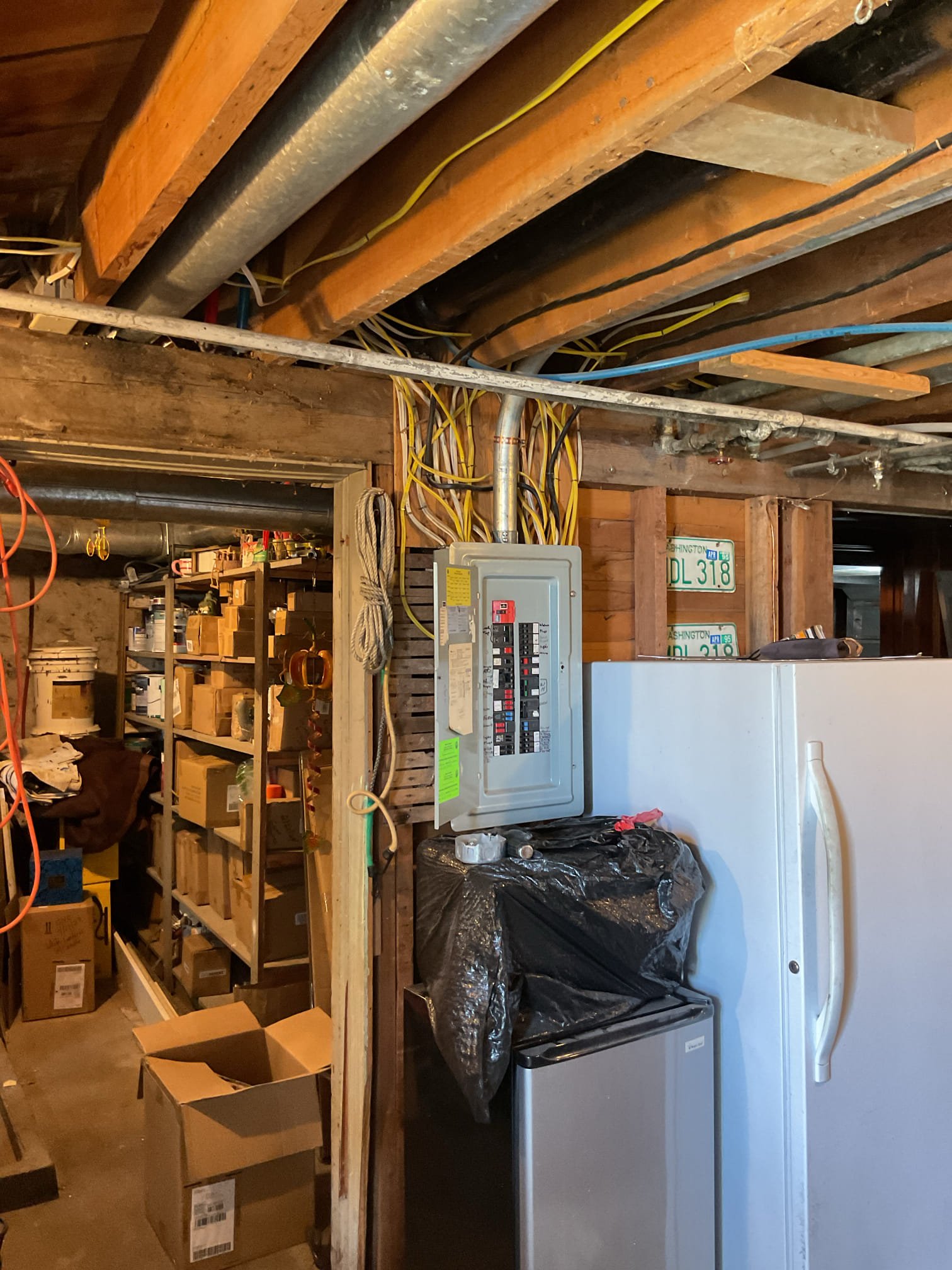
Old homes in Moscow tell great stories. Some also hide electrical surprises. If you are eyeing a Fort Russell bungalow or a prewar cottage near the University of Idaho, a routine report may not spot the wiring choices made over a century. A professional electrical safety inspection in Moscow ID gives you clear leverage before you sign, especially when the system blends active knob‑and‑tube with mid‑century cloth wiring, quick fixes from past flips, and student‑rental add‑ons.
Why Historic Moscow Homes Need A Different Kind Of Look
The Palouse’s older homes were built in waves. Early circuits used porcelain knobs and tubes, many later spliced into 1940s–1960s cloth‑insulated cable when kitchens or baths were added. Later owners swapped in three‑prong receptacles without adding a grounding path. Standard walk‑throughs often note “older wiring” and move on. You need details that change negotiations, not generalities.
Do not assume three‑prong outlets mean you have grounding. In many Moscow houses, ungrounded two‑wire circuits feed newer three‑slot receptacles. That can leave sensitive electronics unprotected and can mislead buyers who think a ground exists.
The Hidden Reality: Blended Legacy Wiring
In neighborhoods like Fort Russell and the streets around downtown, we see a common pattern: an original knob‑and‑tube lighting run still active above the ceiling, tied into mid‑century cloth cable that feeds a handful of newer outlets. The splice sits behind a fixture box or in an attic junction. It works—for now—but the insulation may be brittle, and the circuit has no ground. Add winter space heaters or a hair dryer and you get nuisance trips or warm cover plates.
- Active knob‑and‑tube spliced to cloth wiring with tape-only joints
- Mixed two‑wire and three‑wire circuits on the same breaker
- Ungrounded three‑prong updates without GFCI protection
- Old fuse boxes replaced by small breaker panels with no room to grow
Blended legacy wiring is common in older Moscow homes and near campus rentals. It often passes basic function checks yet fails the safety and capacity test for modern living.
Student Rentals And DIY Additions: Where The Paper Trail Ends
Moscow’s rental market near the University of Idaho sees frequent turnover. Over the years, owners have added lights, disposals, or outlets “as needed.” Those additions are where we discover back‑wired receptacles with loose terminations, daisy‑chained porch lights on undersized cable, and bootleg grounds. Property disclosures may list “updates,” but they rarely map circuits or confirm grounding.
Never rely on the word “updated” without tracing how and where the circuit was extended. A targeted inspection clarifies what was added, how it was tied in, and whether protective devices are in place where water is present.
Panel Capacity: The Make‑or‑Break For All‑Electric Living
Many Moscow buyers plan to electrify: heat pump, induction range, heat‑pump water heater, and an EV charger. That is smart for comfort and long winters, but your panel needs the headroom. A lot of early homes still run 60‑ to 100‑amp service with a cramped load center, or they have all spaces filled by tandem breakers that mask true capacity.
During an inspection, a licensed electrician will look at service size, main breaker rating, bus ampacity, actual connected loads, and realistic future loads. If you plan upgrades, we compare “as‑is” demand with a likely upgrade path and tell you where you will run out of space or amps first. When needed, we point you to panel upgrades and replacements that fit your goals instead of oversizing.
Quick Load Reality Check For Common Conversions
- Heat pump plus heat‑pump water heater: often pushes a tight 100‑amp service over the edge
- Induction range plus microwave and dishwasher on one kitchen circuit: may trip on older, shared wiring
- Level‑2 EV charger: typically needs a dedicated 240‑volt circuit and available breaker space
Always have a licensed electrician evaluate capacity before you electrify everything at once. Staging upgrades can save headaches and drywall.
What Your Inspector Should Document For A Historic Home
A strong inspection report goes beyond “pass/fail.” It should include plain‑English notes you can use in negotiations and planning. Here is what we document for buyers of older properties:
Wiring mix and condition. Identify locations of active knob‑and‑tube, cloth‑insulated runs, aluminum branch circuits if present, and any signs of heat or brittle jackets. Note blended splices and whether junctions are inside boxes with covers.
Grounding and bonding. Confirm if the service is properly bonded and whether branch circuits serving three‑prong receptacles provide a real ground. If not, call out GFCI protection as an interim layer where appropriate.
Protection devices. Verify GFCI where water is present and AFCI where it reduces fire risk on aging conductors. Mark missing devices and where they make the most impact.
Panel space and labeling. Count true available spaces, identify tandem breakers and multi‑wire branch circuits, and flag unlabeled or double‑tapped breakers. Clarify clearance and mounting issues that could delay future work.
Priority list. Separate urgent safety corrections from strategic upgrades. That way you can request seller credits for hazards now and plan capacity improvements on your timeline.
Touring A Moscow Historic Home? Red Flags To Discuss With Your Electrician
Keep your eyes open for clues that merit a deeper look during your offer window. Do not attempt repairs yourself, but take notes and photos to share with your electrician.
- Two‑prong outlets mixed with new three‑prong in the same room
- Porcelain knobs or tubes visible in attic or basement framing
- Warm or buzzing breaker panel, or breakers that trip after space‑heater use
- Loose exterior outlets on old siding, especially on porches and garages
- Extension cords used as permanent wiring behind entertainment centers
If you notice any of the above, plan a pre‑close check with a local pro. A focused visit can confirm if the wiring is serviceable, needs targeted corrections, or should be part of a phased rewire.
How We Build Buyer Leverage Without Guesswork
At Cheetah Electric, our process for historic Moscow homes is simple and thorough. First, we listen to your plans: hold period charm, reduce fire risk, add capacity for a heat pump later, or wire for an EV soon. Next, we map what you have and document the mix of wiring methods. Then we pair near‑term hazards with realistic upgrade options. When panel space or service size is the bottleneck, we outline a right‑sized path so you can prioritize comfort upgrades without opening every wall at once.
When blended legacy wiring is active, we spell out where it is, how it is tied into newer cable, and the safest way forward. If you want a deeper whole‑home review, we can expand the visit to a full safety evaluation and prioritize fixes that prevent the most common Palouse issues. You can explore the broader scope of our work on our electrical services page, then decide what to address now versus later.
What A Solid Inspection Can Unlock Before Closing
The right findings give you options without drama. Buyers often use our report to request targeted hazard corrections, ask for a fair credit, or plan affordable phases after move‑in. Sellers appreciate clear, photo‑backed notes that keep deals on track. Either way, detailed electrical facts reduce surprises and help everyone focus on the finish line.
Two examples we see often in Moscow:
Scenario 1: Fort Russell bungalow with mixed wiring. Our report shows active knob‑and‑tube feeding ceiling lights with cloth‑insulated splices to outlets. Outlets test ungrounded. We recommend adding GFCI protection where appropriate, correcting open splices in boxes, and planning a phased rewire for bedrooms. Panel has limited space, so future upgrades will need consolidation or a subpanel. The buyer negotiates a seller credit for urgent corrections and schedules capacity work after closing.
Scenario 2: Mid‑century home near campus with EV plans. Small load center is full. Kitchen circuits share neutrals and trip under combined loads. We propose a panel upgrade and dedicated EV circuit, then minor circuit rebalancing. The buyer folds our written scope into their financing plan so move‑in and electrification go smoothly.
Ready To Buy An Old House In Moscow ID? Start With Clarity
Nothing beats seeing inside the system before big decisions. Book a licensed Electrician to trace the real story of your circuits, panel, and protection so your offer reflects today’s facts and tomorrow’s plans. If you want that level of confidence, schedule a thorough visit with our team through a professional electrical safety inspection in Moscow ID. We will put plain‑English findings in your hands fast.
Next Steps: Turn Findings Into A Plan
After you receive your report, we can help stage work to fit your timeline. Start with hazard corrections, then build toward your goals: reliable heat, quiet induction, a car that charges overnight. If capacity is the limiter, see how our panel upgrades and replacements make room for the future without overbuilding today.
Want to learn more about who we are and what we do across the Palouse? A quick visit to our home electrical inspection in Moscow ID resource hub gives you a feel for our approach and values.
When you are ready, call Cheetah Electric at 208-883-1099 or use our online form to schedule. If you are under a tight option window, mention your closing date and we will do our best to accommodate.
Final word: never remove or bypass a fuse or breaker to “make it work.” The safest, fastest path to a smooth closing is a clear plan guided by licensed eyes.
Buy with confidence. Get the facts first. Then enjoy the charm that drew you to Moscow in the first place.

GET THE Cheetah Electric EXPERIENCE TODAY! CONTACT YOUR ELECTRICIANS IN MOSCOW & SURROUNDING AREAS